
Bridging the Gap: How Mobile Clinics Bring Healthcare to the Last Mile in India
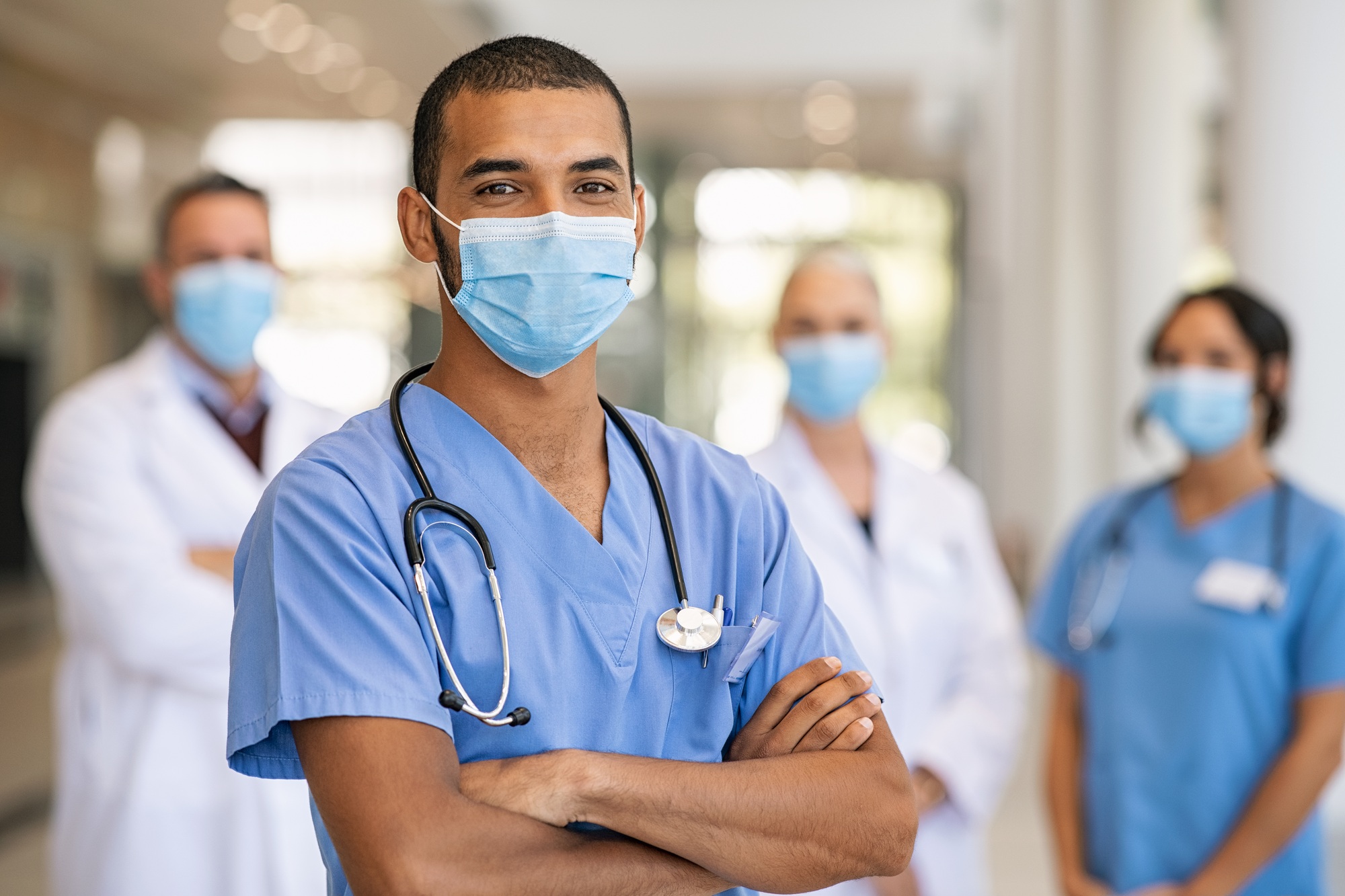
Bridging the Gap: How Mobile Clinics Bring Healthcare to the Last Mile in India
In a country like India, where healthcare access is still a challenge for millions, particularly in rural and underserved regions, innovative solutions are critical to addressing the disparity. Mobile healthcare clinics are emerging as a transformative tool in ensuring that the most remote and marginalized populations can access vital health services.
India’s healthcare system is marked by stark contrasts: While urban centers boast some of the finest medical infrastructure, rural areas continue to suffer from a severe shortage of healthcare facilities. In fact, over 70% of India’s population lives in rural areas, many of which lack adequate medical infrastructure. This situation becomes even more dire in the wake of the COVID-19 pandemic, as rural populations struggle with insufficient medical services and awareness.
Mobile clinics have become a beacon of hope for millions, bringing healthcare to the doorstep of those who need it the most.
🚐 What are Mobile Clinics?
Mobile healthcare clinics are essentially fully equipped medical units that travel to underserved areas to provide essential medical services. These clinics are often built inside buses, vans, or other vehicles, and are designed to provide basic healthcare services including:
- Consultation with doctors
- Diagnosis and treatment of common illnesses
- Vaccinations
- Maternal and child health services
- Basic lab tests
- First aid and emergency care
In India, mobile clinics operate in both urban slums and remote villages, where people would otherwise need to travel long distances to access basic medical care.
🇮🇳 The Need for Mobile Clinics in India
In rural India, where healthcare facilities are few and far between, people often walk miles to reach the nearest clinic or hospital. In some cases, patients cannot afford to take time off from work or can’t find the necessary transportation to access healthcare. Many communities are left without access to preventive care, resulting in the proliferation of preventable diseases such as malaria, tuberculosis, and maternal deaths.
Some of the key challenges that mobile clinics address include:
- Geographical Barriers: Rural areas often lack basic infrastructure such as roads, public transport, or electricity, making access to healthcare even more difficult.
- Lack of Medical Facilities: In many rural villages, there are no healthcare providers, or only a small number of doctors serving a vast population.
- Affordability: Even if healthcare services are available, many people cannot afford the treatment or diagnostic tests that they need.
- Awareness: A lack of healthcare education often prevents individuals from seeking timely medical intervention.
🌱 How Mobile Clinics are Changing Lives
1. Reaching Remote Areas
A major advantage of mobile clinics is that they travel to rural and remote areas that have no nearby medical facilities. The vans and buses are fully equipped with medical supplies and staff, offering healthcare directly at people’s doorsteps.
For instance, in villages in Uttar Pradesh and Rajasthan, where medical infrastructure is poor, mobile clinics bring much-needed healthcare to thousands of individuals who would otherwise not have access.
2. Preventive Care and Awareness
One of the critical functions of mobile clinics is their focus on preventive care and health education. Many mobile clinics offer vaccination drives, especially in rural areas with low immunization rates. Additionally, they conduct health awareness campaigns on hygiene, sanitation, and nutrition, which are crucial in preventing outbreaks of diseases like dengue, cholera, and respiratory infections.
Through these programs, early diagnosis is promoted, and health risks are mitigated before they become life-threatening.
3. Affordable Healthcare for All
In the Indian context, affordability remains a major barrier to healthcare. Mobile clinics help mitigate this by providing low-cost services that cater to rural and underserved populations. Many charitable organizations, trusts, and government initiatives run mobile clinic programs that offer medical consultations, medicines, and even laboratory tests at minimal or no cost to the patients.
This enables low-income individuals to get timely medical attention, preventing complications that could lead to more severe health issues in the future.
4. Maternal and Child Healthcare
One of the most critical areas that mobile clinics address is maternal and child healthcare. Mobile clinics provide vital services such as pre-natal checkups, post-natal care, and vaccination services for mothers and infants. These services are especially important in rural areas where maternal and infant mortality rates remain high.
Mobile clinics often work closely with local midwives, anganwadi workers, and community health workers, ensuring that pregnant women have access to healthcare even in areas where traditional health infrastructure is lacking.
🌟 Successful Case Studies of Mobile Clinics in India
1. Bihar’s Mobile Clinics for Rural Health
In Bihar, one of the states with the most challenging healthcare needs, mobile health clinics have been run by organizations like Bihar Rural Health Project. These clinics have been a lifeline for remote villages, offering free consultations, maternal healthcare services, and essential medicines.
2. MCC Mobile Health Services by the Mumbai City Council
In Mumbai, the MCC Mobile Health Services bring healthcare to slums and underserved urban populations. These mobile units have equipped medical vans that offer free diagnostic tests, vaccinations, and health check-ups to marginalized communities in the city.
🙌 How You Can Help Make a Difference
Mobile clinics are playing a critical role in bridging the healthcare gap in India, but they need continuous support. You can help by:
- Donating to trusted NGOs and charitable organizations that run mobile health services in rural and urban slums.
- Volunteering your time and skills to support medical camps or health awareness programs.
- Fundraising for specific mobile health initiatives, ensuring the sustainability of these vital services.
- Spreading the word about the importance of mobile health services to encourage more contributions and support.
✨ Conclusion: A Step Towards Universal Healthcare
In India, mobile clinics represent more than just a form of healthcare delivery—they are a symbol of hope and empowerment for millions living on the margins. By removing geographical and financial barriers, these clinics ensure that even the most remote communities can access life-saving medical services.
As India continues to work toward universal healthcare, mobile clinics are playing a pivotal role in ensuring that healthcare is not a privilege, but a fundamental right for all.
“Access to healthcare is not a luxury. It is a necessity. Mobile clinics are bridging the gap and providing what every Indian deserves: the chance to live a healthy life.”

Recent Posts

From Villages to Victories: How Local Sports Camps Are Shaping Tomorrow’s Champions

Learning for Livelihood: How Skill Training Is Transforming Rural Youth