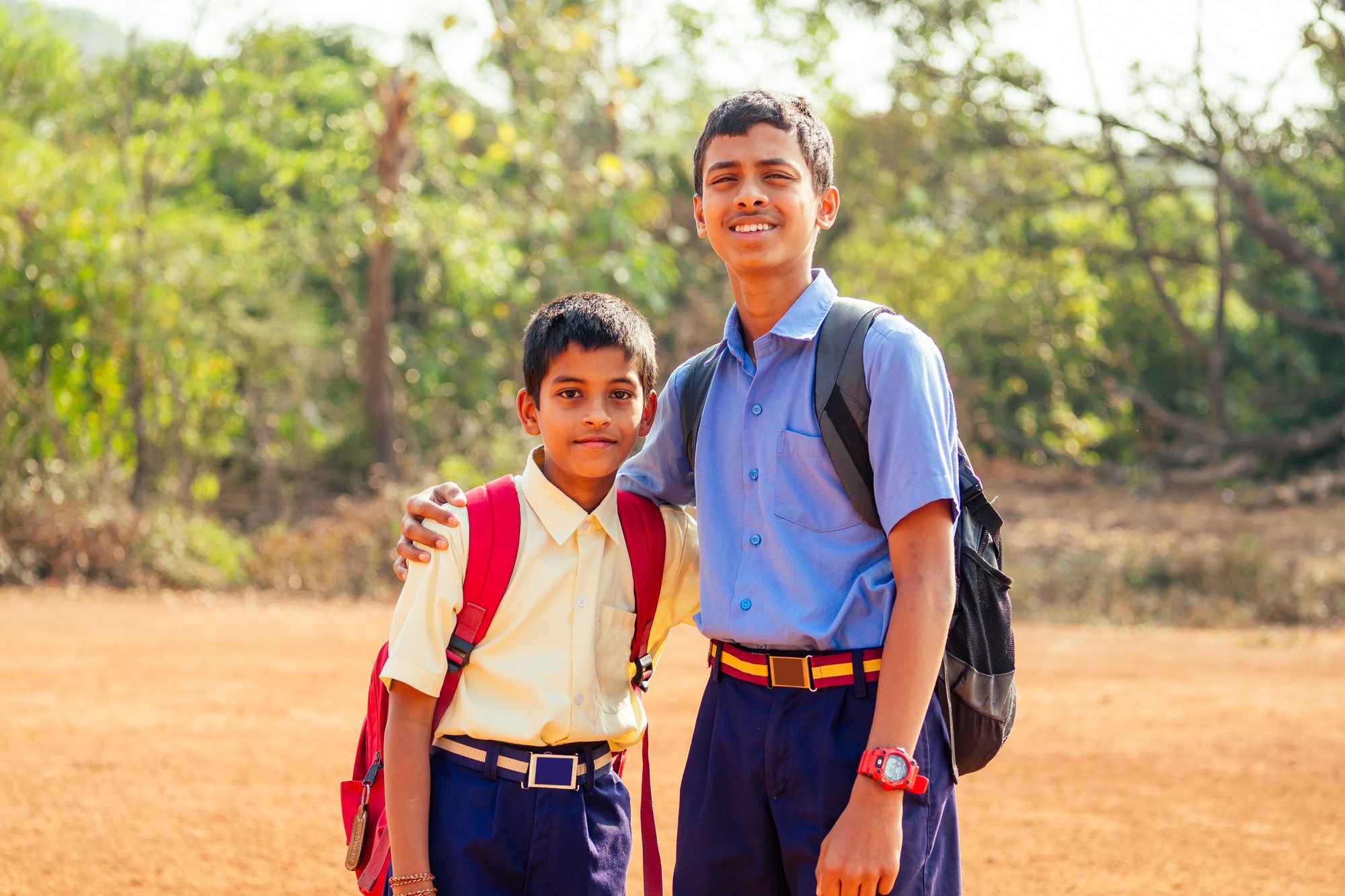
India’s rural heartland is home to over 65% of the country’s population. While progress has been made in school enrollment rates, quality of education in rural areas still remains a major challenge. Factors like poor infrastructure, teacher absenteeism, large student-teacher ratios, and socio-economic pressures often lead to learning gaps — especially for children from disadvantaged backgrounds.
In this context, After-School Learning Centers (ASLCs) are proving to be a game-changer in transforming rural education.
🎯 What Are After-School Learning Centers?
After-school learning centers are structured programs that operate outside regular school hours. These are community-based spaces where students, particularly from underprivileged backgrounds, receive academic support, life skills training, digital literacy exposure, and sometimes even nutritional support.
In rural India, these centers often function in:
- Panchayat bhavans or community halls
- Spaces provided by NGOs or trusts
- Donated rooms in schools or homes
These centers are not tuition classes. They are designed to make learning engaging, inclusive, and relevant — bridging gaps left by the formal school system.
🚸 Why Rural Students Need These Centers
- Learning Gaps Are Widening
Reports like ASER (Annual Status of Education Report) reveal that many rural students in Class 5 can’t read Class 2-level texts or solve basic math problems. ASLCs offer individualized attention and remedial support to help students catch up.
- Lack of Guidance at Home
Many rural parents are first-generation learners or illiterate, making it difficult for them to help their children with studies. After-school programs provide a supportive learning environment children may not find at home.
- Preventing Dropouts
After-school engagement reduces idle time and keeps students motivated to stay in school, thereby lowering dropout rates, especially among girls.
- Building Confidence and Curiosity
Through creative teaching methods, games, art, storytelling, and group work, ASLCs make learning fun and meaningful, boosting self-confidence and encouraging curiosity.
🌟 Real Impact in Indian Villages
Several Indian NGOs and charitable trusts have already seen impressive results:
- In Bihar and Jharkhand, learning centers run by grassroots organizations have helped improve literacy and numeracy levels by over 40% in just one academic year.
- In Rajasthan, girls attending after-school programs were 50% more likely to transition to secondary education compared to those who didn’t.
- In Tamil Nadu, centers offering digital classes helped students become first-generation computer users, improving their long-term employability.
📌 Key Features of Successful After-School Centers
- Local Mentors: Community youth trained to guide students, making the initiative sustainable.
- Flexible Curriculum: Focus on foundational literacy and numeracy, along with life skills and soft skills.
- Girl-Friendly Spaces: Encouraging girl child participation with safe, inclusive environments.
- Technology Integration: Basic computer or tablet use to bridge the digital divide.
- Community Involvement: Engagement of parents and village elders builds ownership and trust.
🙌 How You Can Help
Charitable trusts and volunteers have a vital role to play in scaling such programs across India. You can:
- Sponsor a center in a village
- Donate books, stationery, or digital devices
- Volunteer your time — even virtually
- Support teacher training and curriculum development
- Spread awareness about such initiatives in your network
✨ Conclusion: Investing in Minds, Transforming Futures
After-school learning centers are more than educational spaces — they are beacons of hope for thousands of rural children across India. By supporting such initiatives, we invest in a future where no child is left behind simply because of where they were born.
These centers don’t just improve academic outcomes — they instill dignity, self-belief, and ambition in the young minds who walk through their doors every day.
“Education is the most powerful weapon you can use to change the world.” – Nelson Mandela
Let’s ensure every child in rural India has access to that weapon.