
Why Grassroots Sports Matter: Building Confidence, Discipline & Opportunity in India

Why Grassroots Sports Matter: Building Confidence, Discipline & Opportunity in India
In a country as vast and diverse as India, sports have the power to unite communities, transform lives, and empower the next generation. Yet, while we celebrate Olympic victories and national championships, the real foundation of sporting success lies in grassroots development — the unsung efforts taking place in school grounds, dusty fields, and small village tournaments across the nation.
What is Grassroots Sports?
Grassroots sports refers to community-level activities that introduce sports and physical education to children and youth — regardless of background, skill level, or resources. These are non-professional, inclusive, and often volunteer-driven efforts that focus on participation, learning, and character-building, not just competition.
In India, grassroots sports often emerge through:
- School sports programs
- Local NGOs and charitable trusts
- Youth sports camps in villages
- Community-run tournaments
- Government schemes like Khelo India
These initiatives don’t just produce athletes — they nurture discipline, foster resilience, and build social bonds.
Why It Matters for India
1. Confidence for the Underserved
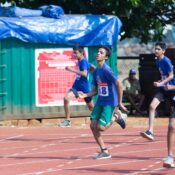
Children in underprivileged communities often lack platforms for self-expression. Grassroots sports give them a stage — to learn, to shine, to feel seen. A young girl from a small village in Rajasthan who outruns her classmates in a school race gains something priceless: belief in herself.
2. Discipline Beyond the Field
Through consistent training, learning to follow rules, handling wins and losses, and respecting coaches, children internalize values that translate into better behavior, time management, and focus — traits that serve them throughout life.
3. Health & Well-Being
In rural areas and urban slums, awareness of health and fitness is often low. Sports serve as a natural remedy — reducing obesity, improving mental health, and keeping youth away from harmful influences like addiction or crime.
4. Opportunities for Growth
While not every player becomes a professional athlete, grassroots sports open doors to:
- Scholarships through sports quotas
- Job opportunities in government/public sector
- Coaching or mentoring roles
- Participation in district, state, and national competitions
Grassroots sports can be a ticket to upward mobility for many in economically weaker sections.
India’s Potential: A Sleeping Giant
India’s villages and small towns are full of raw, untapped talent. However, barriers such as lack of infrastructure, limited coaching, gender bias, and poverty restrict participation. A strong grassroots system — supported by public, private, and philanthropic partnerships — is essential to:
- Identify talent early
- Offer continuous training and mentoring
- Create pathways from local fields to national platforms
Organizations like Vijender Singh Foundation and government efforts under Fit India Movement and Khelo India are now bringing much-needed visibility and funding to this cause.
Real-Life Impact: Stories of Change
- Hima Das, the “Dhing Express” from Assam, started her journey running barefoot on muddy tracks. Grassroots competitions helped her gain recognition before she became a global medalist.
- Neeraj Chopra, Olympic gold medallist, was discovered through a local talent scouting program.
These champions prove that world-class talent can emerge from the most humble beginnings — if nurtured early.
The Way Forward
To truly harness the power of grassroots sports in India, we need:
- More community-level sports infrastructure
- Training for coaches and volunteers
- Inclusive programs that support girls and marginalized groups
- Financial support from individuals, corporates, and NGOs
- Integration of sports into school curricula
Final Thoughts: Sports as a Social Equalizer
Grassroots sports are not just about medals — they are about movement, momentum, and meaning. They break class barriers, promote gender equity, and create a healthier, more confident youth population.
As Nelson Mandela once said, “Sport has the power to change the world. It has the power to inspire. It has the power to unite people in a way that little else does.”
India’s future champions — and leaders — are playing right now in the streets of small towns and villages. With your support, we can ensure they don’t go unnoticed.

Recent Posts
From Villages to Victories: How Local Sports Camps Are Shaping Tomorrow’s Champions

Learning for Livelihood: How Skill Training Is Transforming Rural Youth